
Measuring goal achievement helps organizations track progress, evaluate performance, and determine whether they are meeting strategic objectives. It provides measurable evidence that helps managers make informed decisions, allocate resources effectively, and identify performance gaps or operational issues early.
Goal measurement also increases accountability by clearly defining expectations, responsibilities, and success criteria for individuals and teams. In addition, it improves employee motivation and productivity by establishing clear performance standards and visible progress indicators.
Organizations use goal measurement to align departmental activities with overall business strategy, monitor business impact through metrics such as revenue growth, customer satisfaction, productivity, and retention, and support continuous improvement through regular performance analysis and feedback. Without proper measurement, organizations cannot accurately assess success, identify weaknesses, or ensure that business activities produce meaningful results.
Research on the measurement of achievement goals explains that goals must be measured carefully so results are valid, meaningful, and useful for understanding performance. The article highlights the importance of precise measurement by examining problems in earlier achievement-goal measures and developing a revised tool with stronger validity. This supports the importance of measuring goal achievement because organizations need clear metrics, reliable data, and well-defined success criteria to evaluate progress accurately.
The following section details the methods for measuring goal achievement.
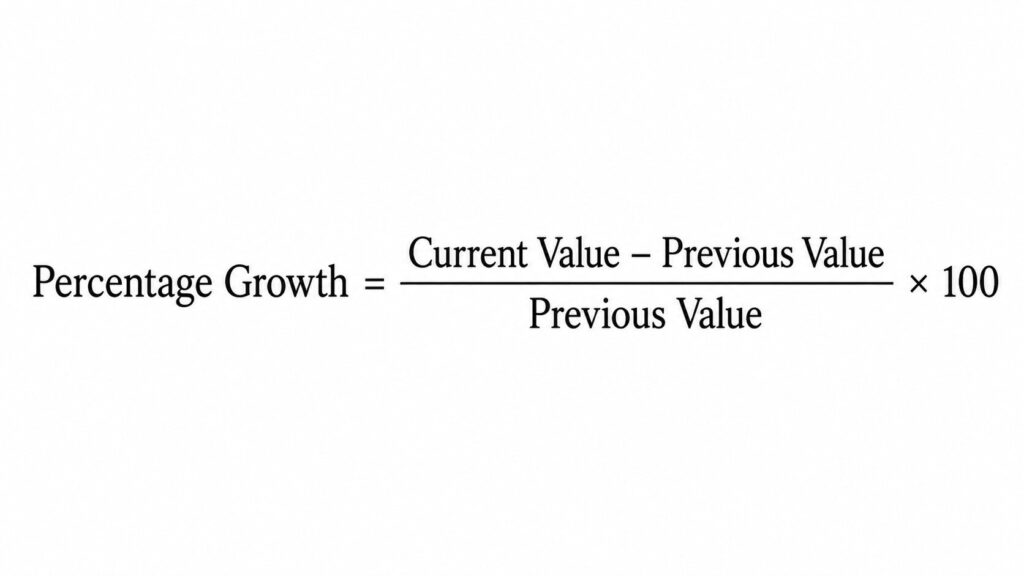
1. Percentage Growth
Percentage growth measures the change in a value relative to a previous period. The formula is shown in the picture below. It measures growth in sales, customers, revenue, production, or any measurable business outcome. Its unit of measurement is in percentage (%). It is evaluated monthly, quarterly, and yearly.
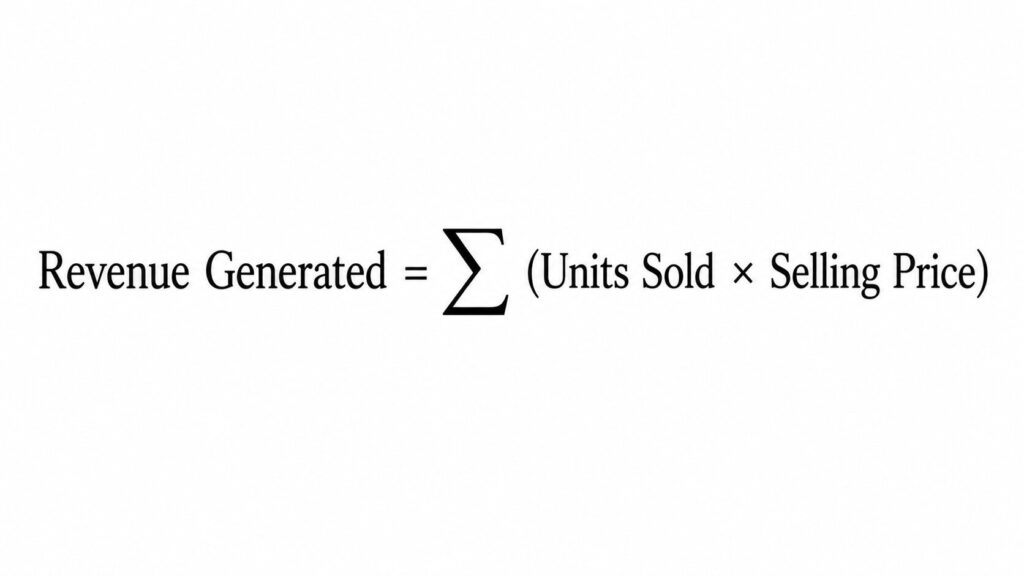
2. Revenue Generated
Revenue generated measures the total income earned from products or services during a defined period. The picture below shows the formula. It measures total business earnings before expenses. Its unit of measurement is currency (USD, BDT, EUR, etc.). Organizations evaluate it daily, monthly, quarterly, and annually.
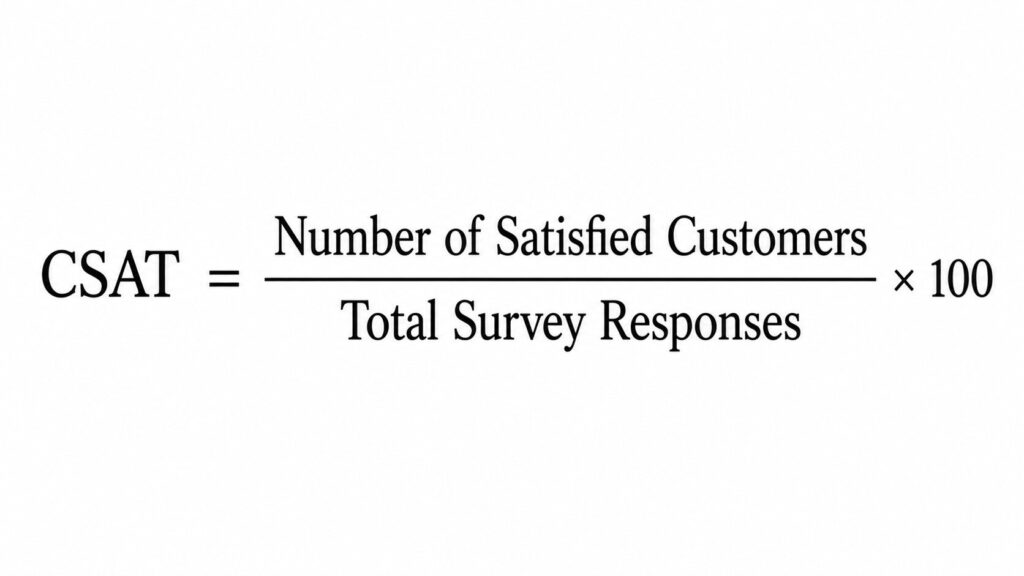
3. Customer Satisfaction Score (CSAT)
Customer satisfaction score (CSAT) measures how satisfied customers are with a product, service, or experience. The picture below presents the formula. It measures the customer satisfaction level based on survey responses. Its unit of measurement is in percentage (%). Its evaluation timeframe is after service interaction, monthly, and quarterly.
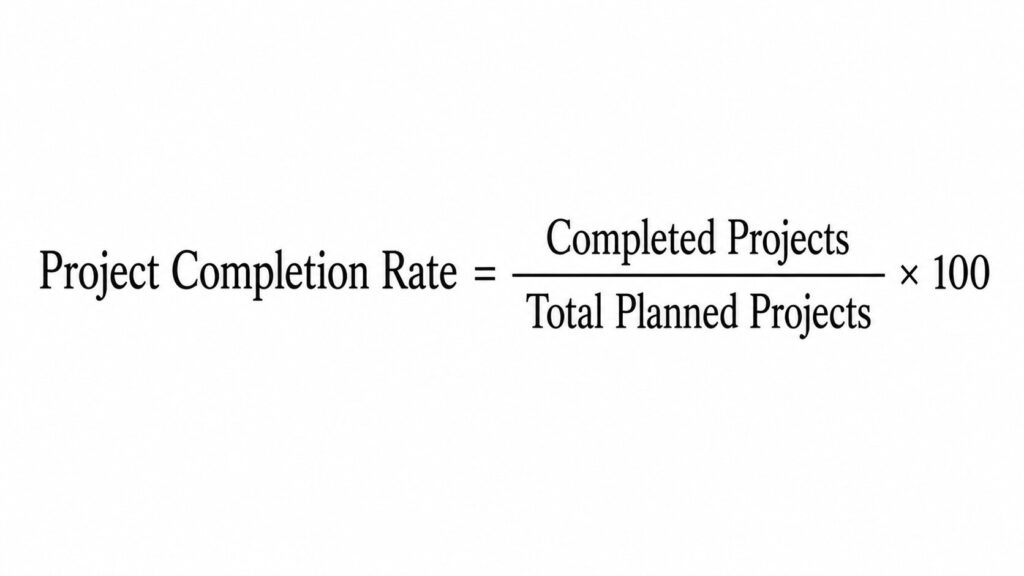
4. Project Completion Rate
Project completion rate measures the percentage of planned projects or tasks that teams successfully complete. The picture below presents the formula. It measures the execution success and delivery performance. Its unit of measurement is in percentage (%). Its evaluation timeframe is per project cycle, monthly, or quarterly.
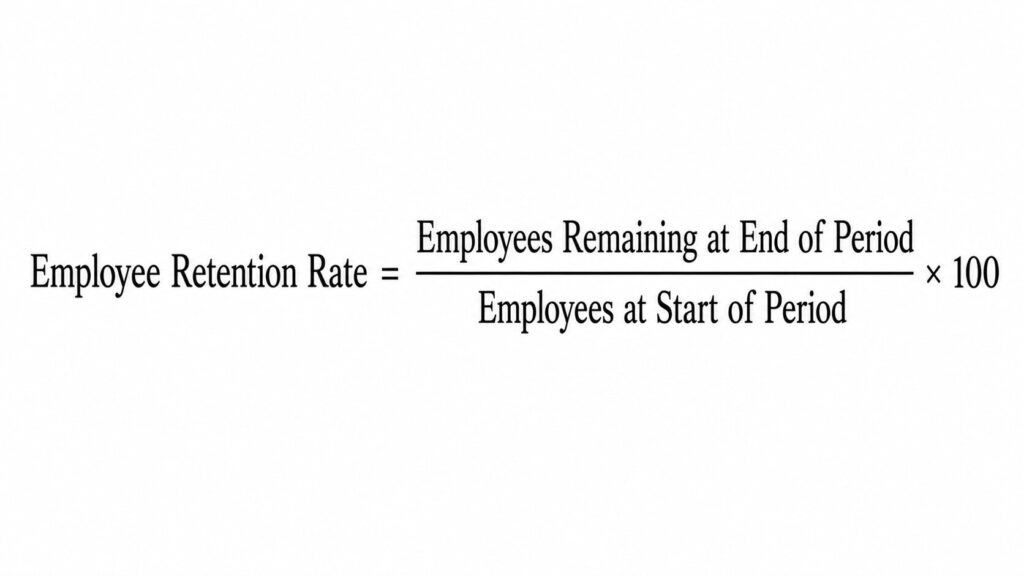
5. Employee Retention Rate
Employee retention rate measures the percentage of employees who remain in the organization over a given period. The picture below shows the formula. It measures employee stability and workforce retention. Its unit of measurement is in percentage (%). Organizations review it every quarter or once a year.
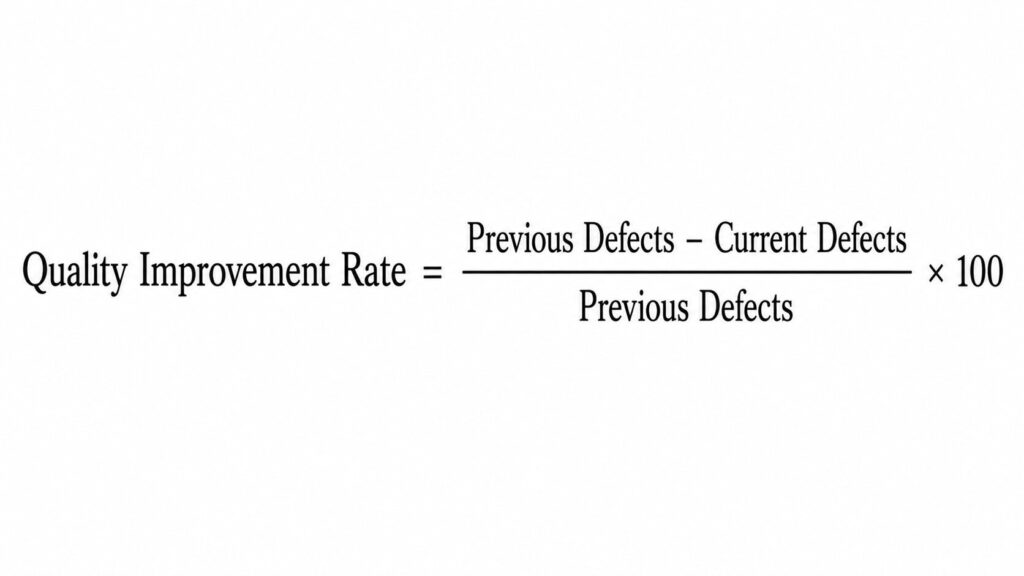
6. Quality Improvement Metrics
Quality improvement metrics measure reductions in defects, mistakes, or quality issues over time. The picture below presents the formula. It measures the improvement in product or service quality. Its unit of measurement is in percentage reduction (%). Its evaluation timeframe is monthly, quarterly, and annually.
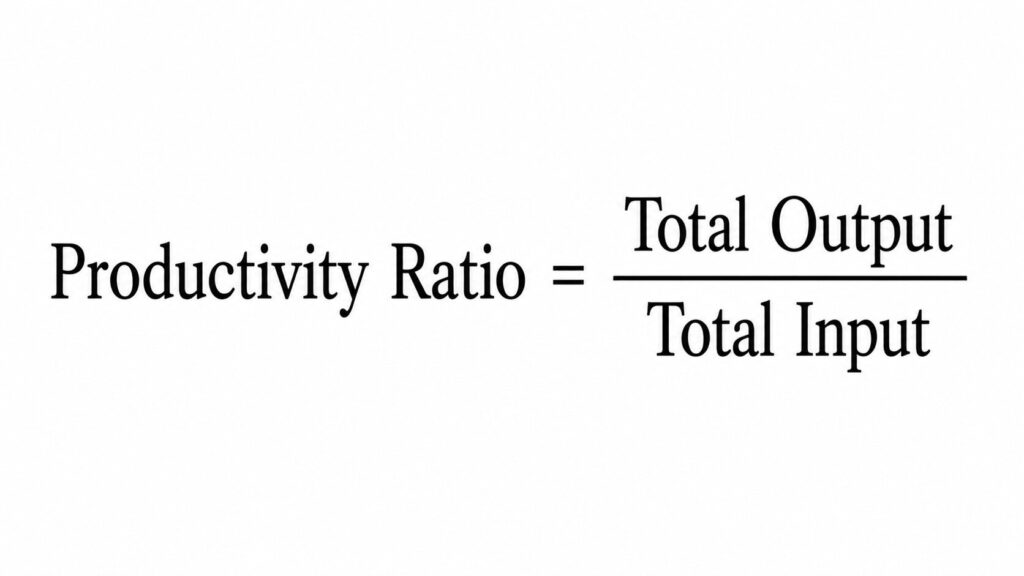
7. Productivity Ratio
The Productivity ratio measures output relative to the resources used. The picture below presents the formula. It measures the efficiency of employees, machines, or business processes. Its units of measurement are units per hour, output per employee, tasks completed per day, etc. It is evaluated daily, weekly, and monthly.
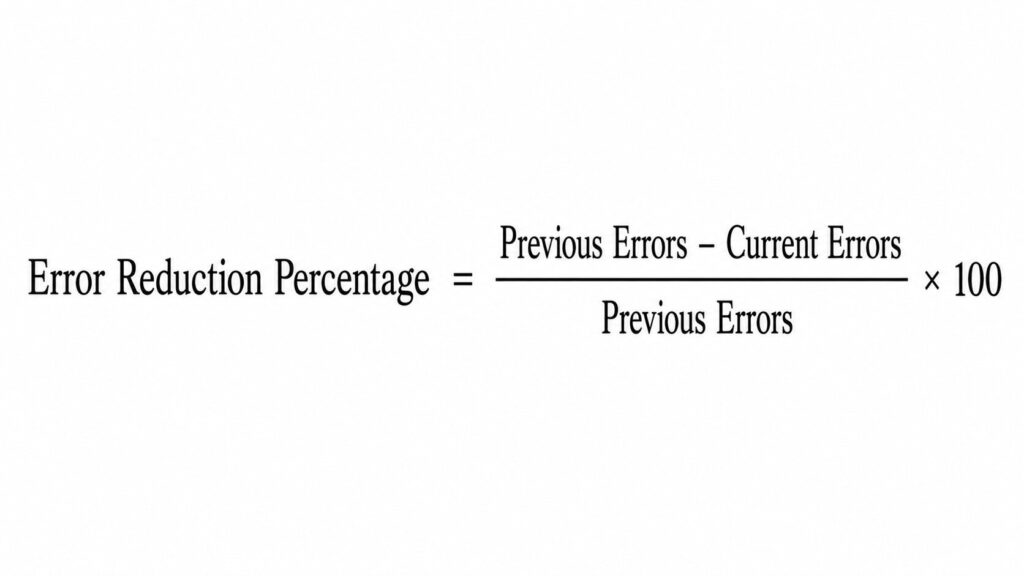
8. Error Reduction Percentage
Error reduction percentage measures the decrease in operational or process errors. The picture below presents the formula. It measures operational accuracy and process improvement. Its unit of measurement is percentage reduction (%). It is evaluated weekly, monthly, and quarterly.
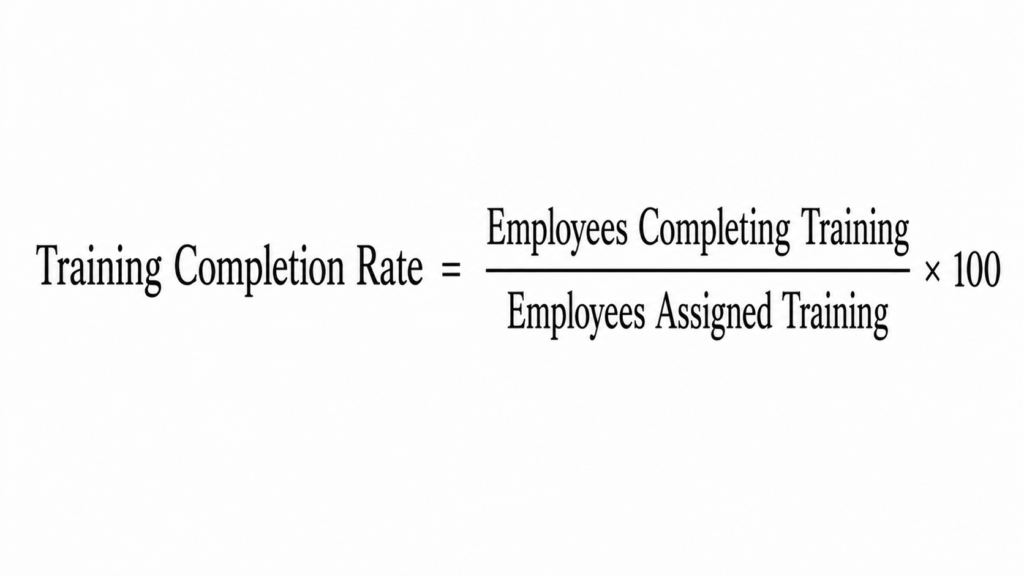
9. Training Completion Rate
Training completion rate measures the percentage of employees who completed assigned training programs. The picture below presents the formula. It measures learning participation and compliance. Its unit of measurement is percentage (%). It is evaluated per training cycle, monthly, and quarterly.
Core Components Every Goal Metric Should Include
| Component | Description |
| Metric Name | The KPI or performance indicator being tracked |
| What is Measured | The exact business outcome or behavior |
| Formula | Mathematical method used for calculation |
| Unit of Measurement | %, currency, ratio, count, score, hours, etc. |
| Target Value | Expected achievement level |
| Timeframe | Daily, weekly, monthly, quarterly, annual |
| Data Source | Survey system, HR Software, CRM, ERP, financial reports, etc. |