

Employee engagement should be measured using both qualitative feedback and quantitative workforce metrics. Organizations use engagement metrics to understand employee sentiment, identify workplace trends, evaluate leadership effectiveness, and monitor the overall health of the employee experience. Consistently measuring engagement helps organizations make data-driven decisions that improve retention, performance, culture, and workforce stability.
The article “Define It, Build It, Measure It” explains that employee engagement should be treated as a clear, intentional process rather than a vague workplace goal. It emphasizes that organizations need to define what engagement means, build systems that support employee connection and culture, and measure progress through meaningful indicators. This underscores the importance of employee engagement metrics, as data such as engagement scores, retention, participation, and feedback trends help organizations understand whether engagement efforts are working.
A helpful explanation of Key Performance Indicators describes KPIs as measurable data points used to evaluate progress toward specific goals or targets. The article explains that strong KPIs should be relevant, measurable, actionable, timely, consistent, and aligned with organizational objectives. This supports the use of employee engagement metrics, as measures such as engagement scores, eNPS, turnover rate, retention rate, absenteeism, and survey response trends help organizations track engagement performance and make better, data-driven decisions.
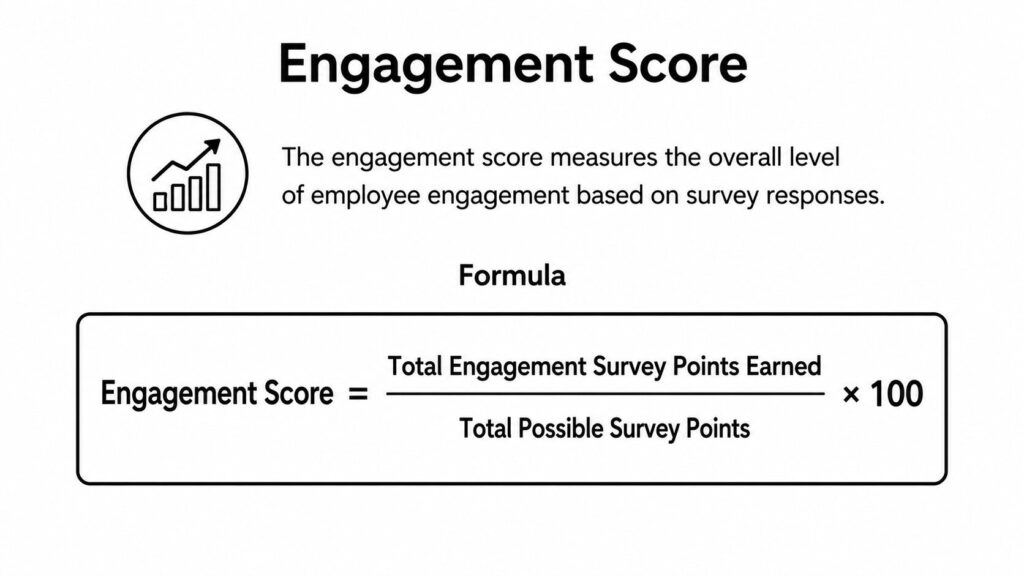
Engagement Score
The engagement score is a general measure of overall employee engagement based on survey responses to questions about commitment, motivation, satisfaction, communication, trust, and workplace experience. Organizations often calculate engagement scores using aggregated survey data to identify engagement levels across teams, departments, or the entire organization. The diagram below shows the formula for measuring engagement score.
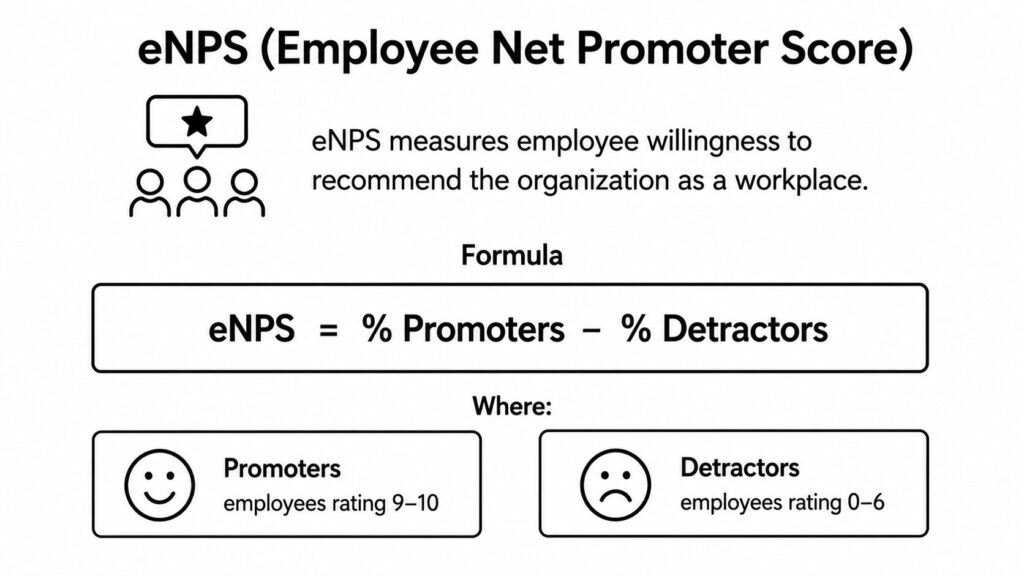
eNPS (Employee Net Promoter Score)
Employee Net Promoter Score (eNPS) measures how likely employees are to recommend the organization as a place to work. It is commonly based on a single question, such as: "How likely are you to recommend this company to others?" Employees are categorized as promoters, passives, or detractors, and the score helps organizations internally evaluate employee loyalty and organizational reputation. The diagram below shows the formula for measuring eNPS.
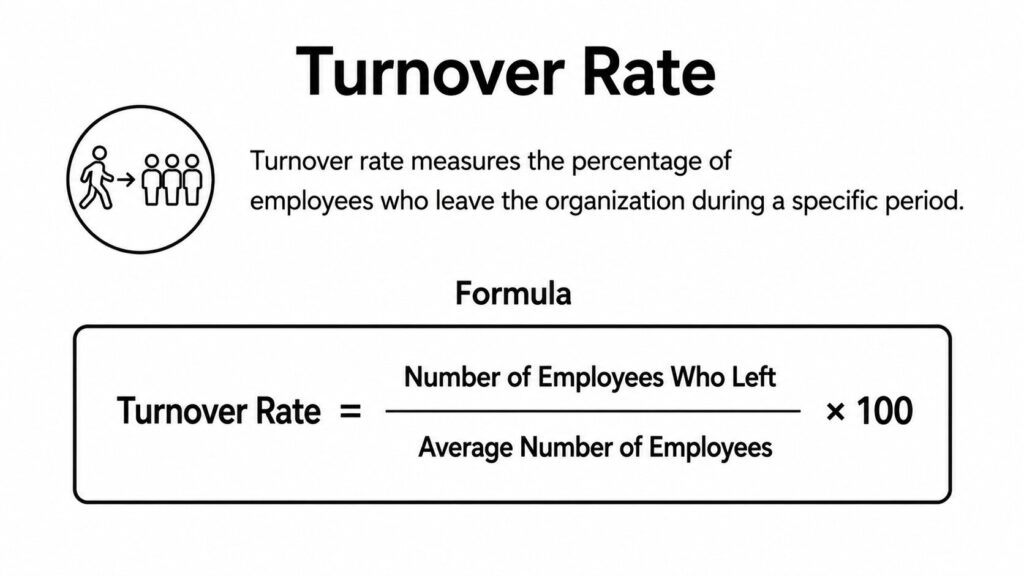
Turnover Rate
Turnover rate measures the percentage of employees who leave the organization during a specific period. High turnover rates can indicate low engagement, dissatisfaction, weak management practices, poor culture, or limited growth opportunities. Monitoring turnover helps organizations identify retention risks and stability issues in the workforce. The diagram below shows the formula for measuring the turnover rate.
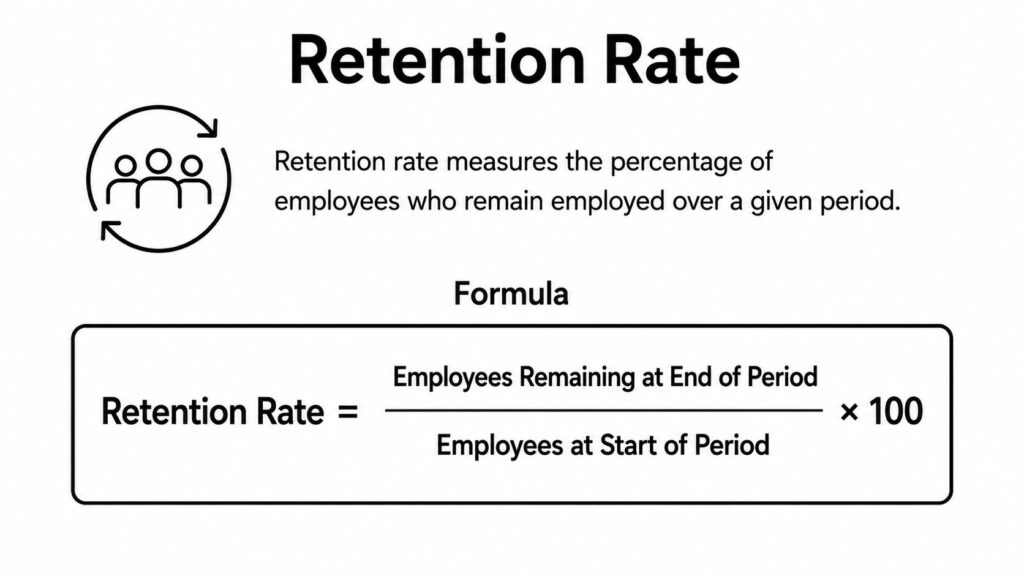
Retention Rate
Retention rate measures the percentage of employees who remain with the organization over time. High retention rates often reflect stronger engagement, better workplace relationships, and positive employee experiences. Retention data helps organizations evaluate long-term workforce commitment and organizational stability. The diagram below shows the formula for measuring the retention rate.
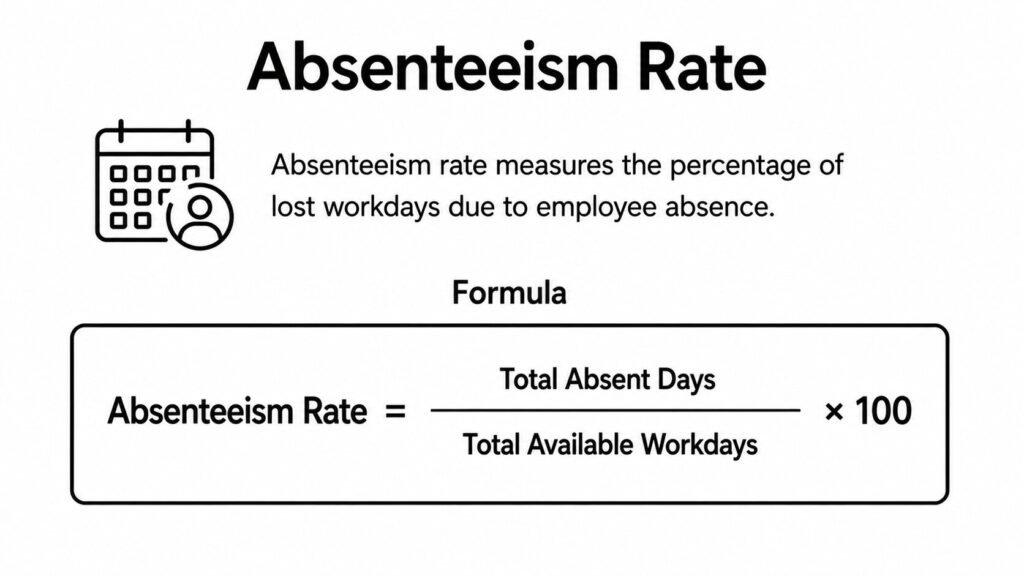
Absenteeism Rate
Absenteeism rate tracks how frequently employees are absent from work beyond planned leave. High absenteeism may signal disengagement, stress, burnout, poor morale, or workplace dissatisfaction. Organizations often monitor absenteeism trends to identify engagement and well-being concerns. The diagram below shows the formula for measuring the absenteeism rate.
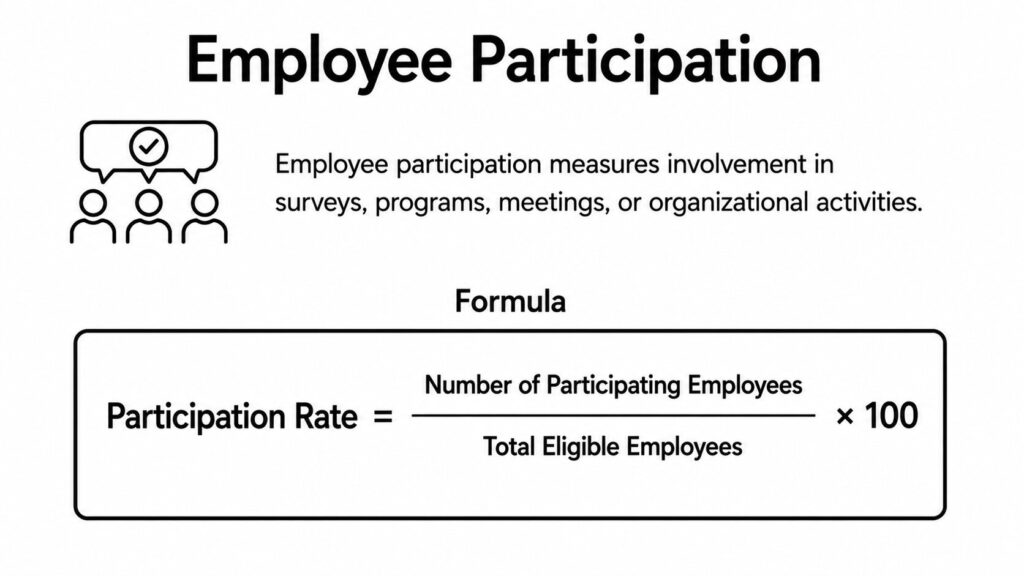
Employee Participation
Employee participation measures involvement in workplace activities such as surveys, meetings, training programs, collaboration initiatives, recognition programs, and organizational events. High participation levels often indicate stronger employee involvement, communication, and organizational connection. The diagram below shows the formula for measuring the employee participation rate.
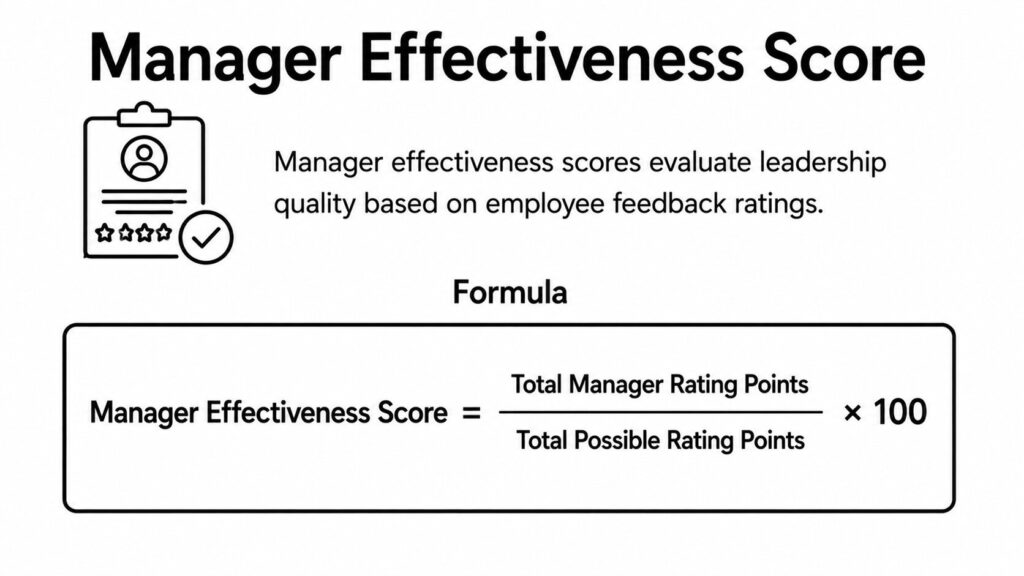
Manager Effectiveness Scores
Manager effectiveness scores evaluate how employees perceive leadership quality, communication, support, feedback, trust, and team management. Because managers strongly influence engagement, organizations often measure manager effectiveness through engagement surveys, upward feedback, and leadership assessments. The diagram below shows the formula for measuring the manager's effectiveness score.
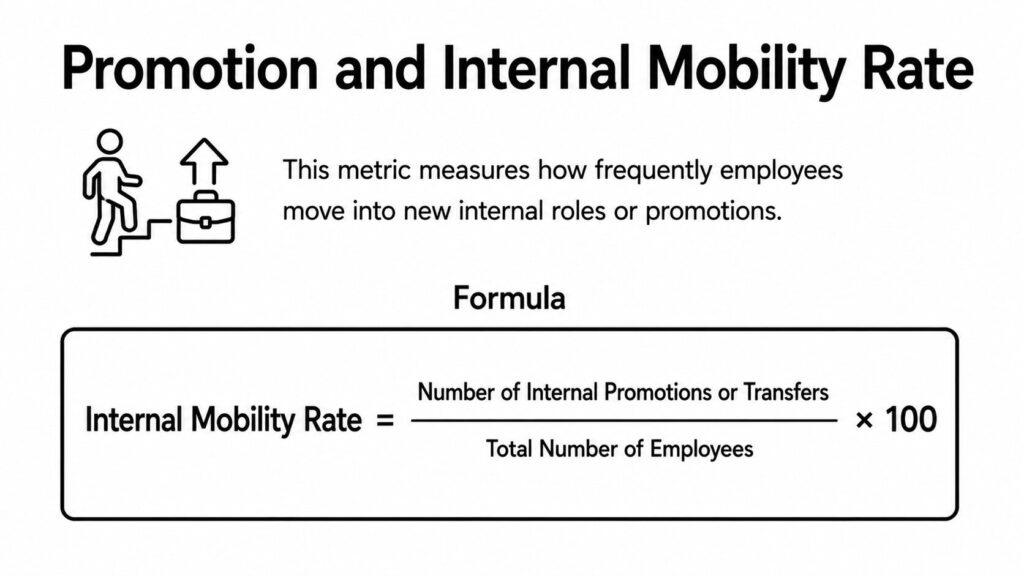
Promotion and Internal Mobility Rate
Promotion and internal mobility rates measure how frequently employees move into new roles, departments, or leadership positions within the organization. Strong internal mobility often reflects employee development opportunities, career growth, and organizational investment in talent retention. The diagram below shows the formula for measuring promotion and internal mobility rate.
Learning Participation
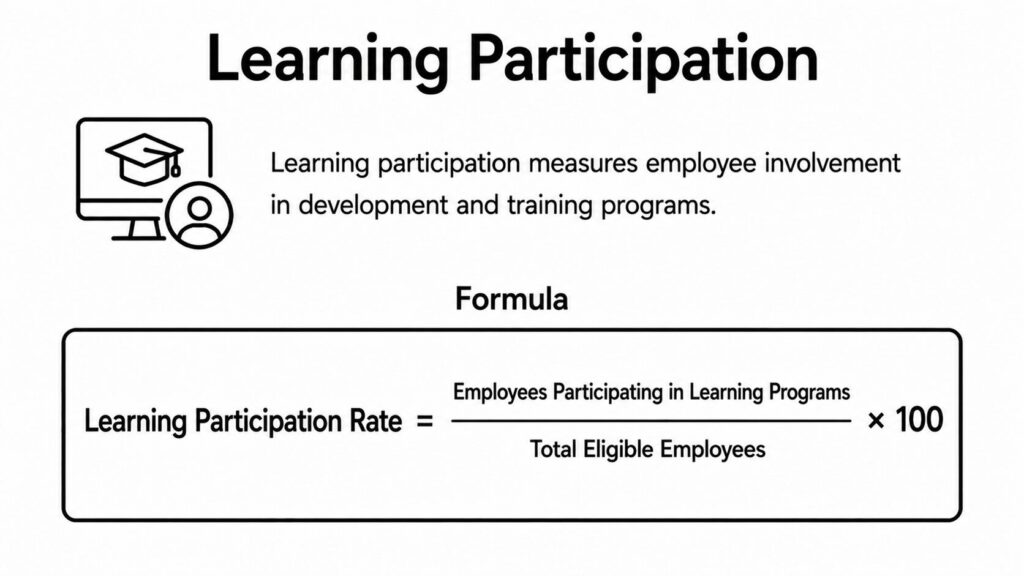
Learning participation measures employee involvement in training sessions, development programs, certifications, workshops, mentoring, and skill-building initiatives. High participation in learning opportunities often reflects employee motivation, growth mindset, and organizational support for development. The diagram below shows the formula for measuring the learning participation rate.
Survey Response Trends
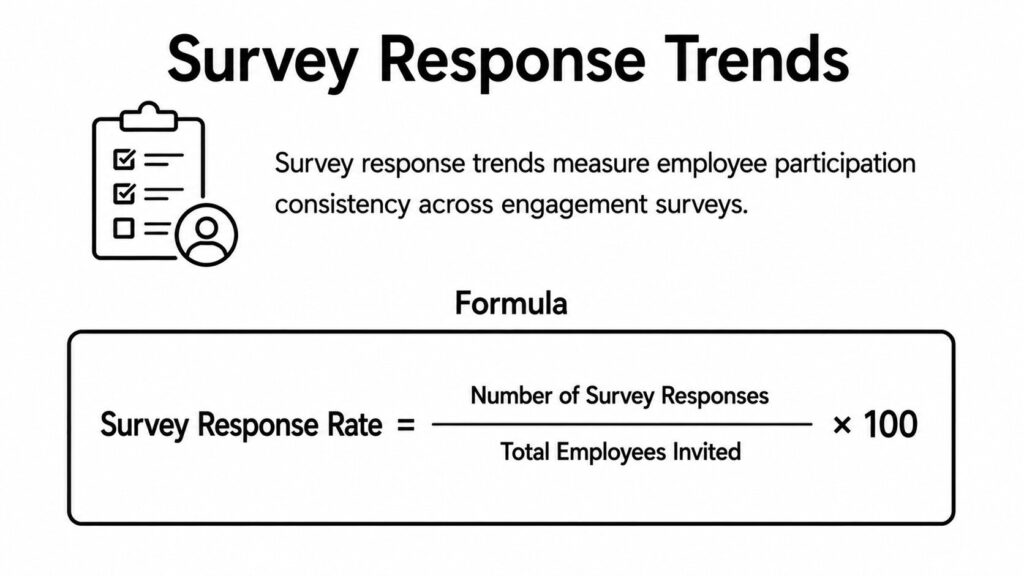
Survey response trend analysis examines employee participation levels, response consistency, changes in sentiment, and recurring themes across engagement surveys over time. Consistent survey participation and improved response rates often indicate employee trust in organizational feedback systems and a willingness to share workplace experiences openly. The diagram below shows the formula for measuring the survey response rate.
These metrics help organizations quantify engagement levels, monitor workforce trends, and evaluate the effectiveness of engagement strategies over time.