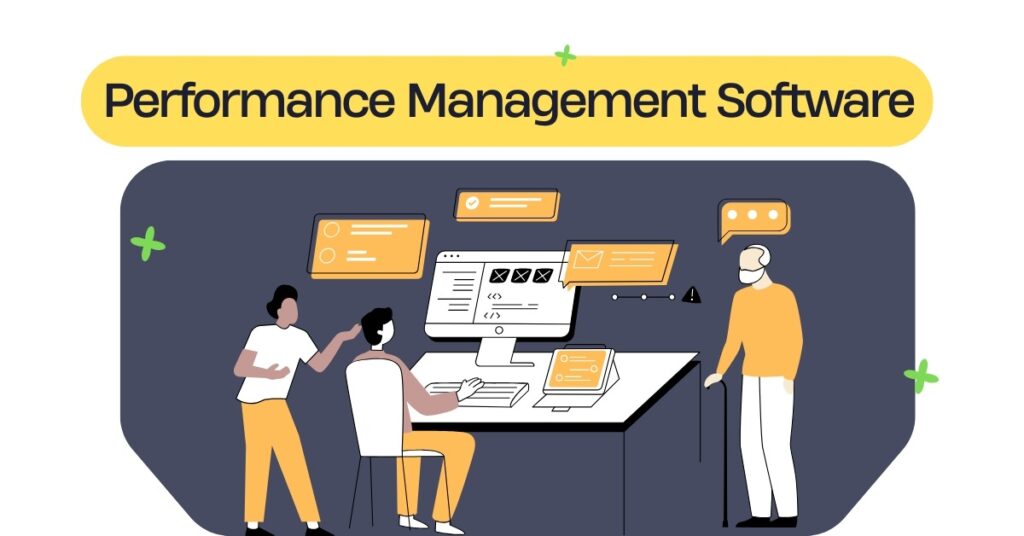
Performance Management Software is a digital platform that helps organizations plan, track, evaluate, and improve employee performance by setting structured goals, providing feedback, conducting reviews, and facilitating development activities. It centralizes performance-related processes, provides visibility into workforce performance, and supports continuous improvement for employees, managers, and leadership teams.
Why is Performance Management Software important?
Performance Management Software helps organizations create structured, measurable, and consistent performance processes that improve productivity, employee development, organizational alignment, and workforce effectiveness.
Research on performance management systems and employee work attitudes indicates that effective systems can positively influence employee engagement and work attitudes. The study highlights that structured performance practices help organizations create clearer expectations, stronger engagement, and better employee responses to performance processes. This underscores the importance of performance management software, as digital platforms make it easier to consistently and measurably manage goals, feedback, reviews, analytics, and development planning.
Key Features to Look For in a Performance Platform
Are all features necessary for every organization? No. It depends on company size and performance maturity.
Core features determine how effectively performance management software operates within an organization. While companies have different requirements, certain capabilities consistently help organizations manage performance, develop employees, and support business objectives.
Goal Setting & OKRs
Goal setting and OKRs (Objectives and Key Results) provide a structured framework for defining and tracking performance expectations.
Operational Function: The platform enables employees, teams, and departments to align goals with organizational priorities and monitor progress over time.
Measurable Outcome: Improves goal alignment, increases accountability, and enhances achievement of strategic objectives.
Continuous Feedback
Continuous feedback allows employees and managers to exchange performance-related input on an ongoing basis rather than waiting for formal reviews.
Operational Function: The platform supports regular check-ins, coaching conversations, recognition, and documentation of real-time feedback.
Measurable Outcome: Increases employee engagement, improves performance responsiveness, and strengthens manager-employee communication.
Performance Reviews
Performance reviews provide a structured process for evaluating employee performance against predefined goals and expectations.
Operational Function: The platform manages review cycles, evaluation forms, approval workflows, and performance documentation.
Measurable Outcome: Improves performance consistency, supports fair evaluations, and creates greater transparency in performance decisions.
360-Degree Feedback
360-degree feedback gathers performance input from multiple sources, including managers, peers, direct reports, and other stakeholders.
Operational Function: The platform collects, organizes, and presents multi-source feedback within a unified review process.
Measurable Outcome: Provides broader performance insights, improves self-awareness, and supports more balanced development discussions.
Analytics & Reporting
Analytics and reporting transform performance data into actionable workforce insights.
Operational Function: The platform generates dashboards, reports, and trend analyses related to goals, reviews, engagement, and performance outcomes.
Measurable Outcome: Supports data-driven decision-making, identifies performance trends, and improves organizational visibility.
Employee Development Planning
Employee development planning helps individuals build skills, competencies, and career readiness over time.
Operational Function: The platform supports development goals, learning plans, coaching activities, and career growth discussions.
Measurable Outcome: Strengthens employee capability, improves retention, and increases readiness for future roles and responsibilities.
Integration Capabilities
Integration capabilities allow the performance platform to connect with other workforce systems and business applications.
Operational Function: The platform exchanges data with HRIS, learning systems, collaboration tools, payroll platforms, and other organizational technologies.
Measurable Outcome: Reduces manual work, improves data accuracy, and creates a more efficient performance management ecosystem.
Types of Performance Management Software
Which type is best for growing companies? In most cases, scalable SaaS solutions offer the best balance of functionality, flexibility, and support for future growth, making them a common choice for growing organizations.
Performance management software can be categorized based on functionality scope and organizational needs. Different types of platforms are designed to serve varying levels of organizational complexity, workforce size, and integration requirements.
1. Standalone Performance Tools
Scope: Standalone performance tools focus specifically on performance-related activities such as goal management, feedback collection, performance reviews, and employee development.
Ideal Company Size: Small to mid-sized organizations or companies seeking dedicated performance management capabilities without implementing a full HR platform.
Integration Complexity: Typically moderate. Most solutions offer integrations with HRIS, collaboration tools, and learning platforms, but may require additional configuration for broader workforce management processes.
2. HR Suite-Integrated Platforms
Scope: HR suite-integrated platforms combine performance management with core HR functions, including employee records, payroll, benefits administration, workforce management, and recruitment.
Ideal Company Size: Mid-sized to large organizations seeking a unified workforce management environment.
Integration Complexity: Generally low to moderate because performance management is already integrated within the broader HR ecosystem, reducing the need for multiple standalone systems.
3. Enterprise Talent Management Systems
Scope: Enterprise talent management systems provide comprehensive talent management capabilities, including performance management, succession planning, learning management, workforce planning, compensation management, and career development.
Ideal Company Size: Large enterprises, multinational organizations, and complex workforces with extensive talent management requirements.
Integration Complexity: High. These platforms often integrate with numerous business systems, workforce applications, and organizational processes across multiple departments and regions.
4. SMB-Focused Lightweight Tools
Scope: SMB-focused lightweight tools provide essential performance management functionality, typically including goal tracking, feedback, review management, and basic reporting.
Ideal Company Size: Small businesses, startups, and organizations with limited HR resources or simpler performance management needs.
Integration Complexity: Low. These solutions are designed for quick implementation, minimal administration, and straightforward integration with commonly used business applications.
The chart below compares the major types of performance management software, highlighting their scope, ideal organizational fit, and integration complexity to help businesses select the most suitable solution for their performance management needs.
| Type | Scope | Ideal Company Size | Integration Complexity |
| Standalone Performance Tools | Dedicated performance management functions | Small to mid-sized organizations | Moderate |
| HR Suite-Integrated Platforms | Performance management plus core HR functions | Mid-sized to large organizations | Low to Moderate |
| Enterprise Talent Management Systems | Comprehensive talent and workforce management | Large enterprises | High |
| SMB-Focused Lightweight Tools | Essential performance management capabilities | Small businesses and startups | Low |
Each type of performance management software serves different organizational needs. Standalone tools offer focused functionality, HR suite-integrated platforms provide operational efficiency, enterprise talent management systems deliver extensive workforce capabilities, and SMB-focused tools prioritize simplicity and ease of use. The most appropriate choice depends on company size, growth plans, process maturity, and integration requirements.
Benefits of an Integrated Platform
An integrated performance management platform connects goals, feedback, reviews, development planning, and workforce data within a single system. By consolidating performance information into a single environment, organizations can improve operational efficiency, strengthen decision-making, and create a more consistent employee experience.
Organizational-Level Benefits
Strategic Alignment
Integrated platforms connect individual and team objectives with broader business goals, ensuring that performance activities support organizational priorities.
Benefit: Improves alignment between workforce efforts and business strategy, helping organizations achieve performance targets more effectively.
Performance Visibility
Centralized performance data provides leadership with a comprehensive view of goals, progress, review outcomes, and workforce performance trends.
Benefit: Enhances performance visibility across departments and supports more accurate HR metrics and workforce reporting.
Data-Driven Decision-Making
Integrated systems combine performance, development, and workforce information into a unified dataset that supports evidence-based decisions.
Benefit: Improves decision quality, strengthens workforce planning, and enables more effective allocation of talent and resources.
Manager-Level Benefits
Clear Evaluation Criteria
Integrated platforms standardize performance expectations, review frameworks, and goal-tracking processes across teams.
Benefit: Creates greater consistency in evaluations and improves the reliability of performance assessments.
Reduced Bias
Structured review workflows and centralized performance records help managers evaluate employees using documented evidence rather than isolated observations.
Benefit: Supports fairer performance discussions and improves the accuracy of talent management decisions.
Better Coaching Structure
Managers can access performance histories, feedback records, development plans, and progress-tracking tools within a single platform.
Benefit: Strengthens coaching effectiveness, improves employee productivity, and supports ongoing performance improvement.
Employee-Level Benefits
Transparent Expectations
Employees can clearly see goals, performance requirements, progress indicators, and review outcomes within a centralized system.
Benefit: Reduces uncertainty, increases accountability, and improves overall performance clarity.
Career Development Clarity
Integrated development planning tools connect performance outcomes with learning opportunities, career pathing, and advancement possibilities.
Benefit: Supports professional growth, strengthens retention, and increases readiness for future roles.
Increased Engagement
Regular feedback, visible progress tracking, and structured development discussions help employees remain connected to organizational goals.
Benefit: Improves employee engagement, supports productivity, and contributes to long-term retention improvement.
Common Challenges of Performance Management Tools
Despite benefits, implementation challenges may arise. Performance management tools can improve consistency, visibility, and employee development, but organizations often encounter operational and adoption-related obstacles that can limit effectiveness if not properly addressed.
1. Adoption Resistance
Employees and managers may be reluctant to use new performance management systems due to unfamiliar processes, perceived administrative burden, or preference for existing methods.
Mitigation Insight: Clear communication, user training, and leadership support can help encourage consistent platform adoption.
2. Data Accuracy Issues
Performance insights are only as reliable as the information entered into the system. Incomplete, outdated, or inconsistent data can reduce the quality of reporting and decision-making.
Mitigation Insight: Establishing standardized data entry practices and regular data reviews can improve information quality.
3. Integration Complexity
Performance platforms often need to connect with HRIS, payroll, learning management systems, collaboration tools, and other workforce applications. Integration challenges can create data silos and workflow inefficiencies.
Mitigation Insight: Careful planning and compatibility assessment before implementation can help reduce integration difficulties.
4. Change Management Gaps
Organizations sometimes focus on software deployment while underestimating the organizational changes required to support new performance processes and behaviors.
Mitigation Insight: Ongoing stakeholder engagement and structured change management efforts can improve transition success.
5. Over-Automation Risks
Excessive reliance on automated workflows, ratings, and notifications can make performance management feel transactional and reduce meaningful interactions between managers and employees.
Mitigation Insight: Balancing automation with regular human feedback and coaching conversations helps maintain the developmental value of performance management.
Examples of Performance Management Software
Some widely used performance management platforms include:
- Workday
- SAP SuccessFactors
- Oracle Fusion HCM
- Lattice
- 15Five
- Culture Amp
- Leapsome
- Betterworks
HR Software Implementation
Successful implementation depends on a structured rollout and alignment with leadership. A well-planned implementation approach helps organizations achieve adoption, improve process consistency, and maximize the value of HR software while minimizing operational disruption.
1. Stakeholder Alignment
The implementation process should begin by aligning leadership, HR teams, managers, and other key stakeholders around objectives, responsibilities, timelines, and expected outcomes.
Purpose: Creates shared ownership, establishes clear expectations, and supports organizational commitment throughout the rollout.
2. Goal Framework Setup
Organizations should define the goals, performance measures, workflows, and success criteria that the software will support before deployment.
Purpose: Ensures the system configuration aligns with business priorities and operational requirements.
3. Manager Training
Managers should receive training on the new platform's system functionality, performance processes, reporting tools, and their responsibilities.
Purpose: Promotes consistent process execution and strengthens manager readiness for adoption.
4. Employee Onboarding
Employees should be introduced to the platform through structured onboarding activities that explain system usage, expectations, and available resources.
Purpose: Improves user confidence, encourages participation, and supports organization-wide adoption.
5. Feedback Loop Establishment
Organizations should establish mechanisms to collect user feedback during and after implementation to identify challenges, usability concerns, and opportunities for improvement.
Purpose: Supports continuous refinement and helps address adoption barriers early.
6. Ongoing Optimization
Implementation should be viewed as an ongoing process rather than a one-time deployment. Regular reviews, process adjustments, system updates, and performance evaluations help ensure long-term effectiveness.
Purpose: Maintains alignment with evolving business needs and supports continuous improvement.
How to Choose the Right Performance Management Software?
Selecting performance management software requires aligning business goals with system capabilities. The right solution should support current organizational needs while providing the flexibility to adapt as workforce requirements and performance processes evolve.
Evaluation Checklist
- Company Size
Evaluate whether the platform is designed for your workforce scale, organizational complexity, and management structure.
- Existing HR Tech Stack
Assess how well the software fits within your current HR environment and whether it can connect effectively to your existing systems through a compatible Integration ecosystem.
- Performance Model (OKR, KPI, Hybrid)
Choose a platform that supports your preferred performance framework, whether based on OKRs, KPIs, continuous performance management, or a hybrid approach.
- Reporting Needs
Determine whether the platform provides dashboards, workforce analytics, performance insights, and reporting capabilities to support decision-making and performance visibility.
- Budget Constraints
Evaluate both initial and ongoing expenses, including licensing, implementation, administration, training, and the overall Total cost of ownership.
- Scalability
Consider the platform's ability to support future growth, increased employee counts, evolving performance processes, and additional organizational requirements.